
+919820065231

Currently it only shows your basic business info. Start adding relevant business details such as description, images and products or services to gain your customers attention by using Boost 360 android app / iOS App / web portal.

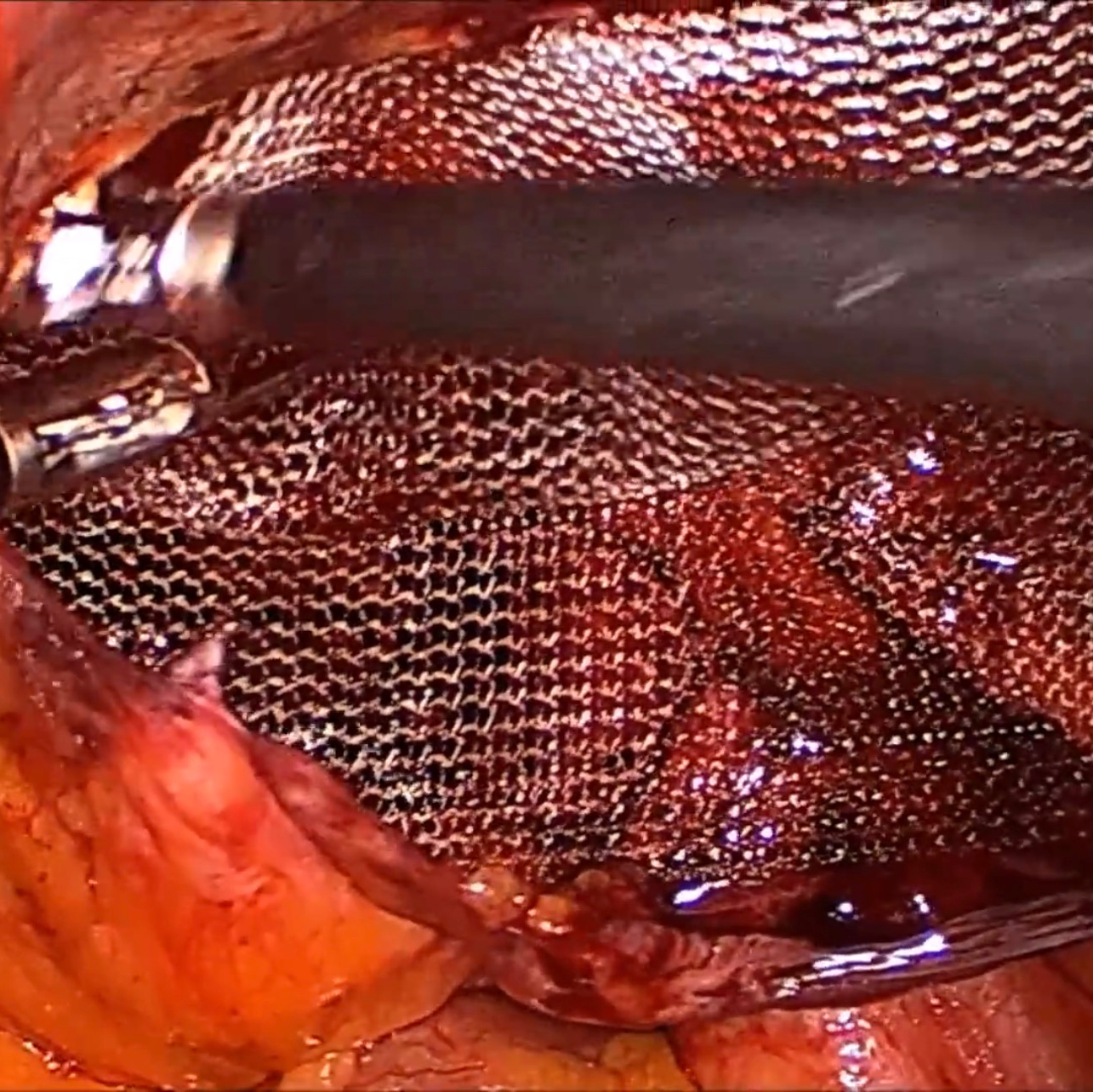
Latest Advances in Inguinal Hernia Surgery: What Patients Need to Know Good News for Faster Recovery and Less Pain What Is an Inguinal Hernia, and Why Fix It? An inguinal hernia happens when part of your intestine or fatty tissue pushes through a weak spot in your groin area, often feeling like a bulge that can cause pain or discomfort, especially when lifting or straining. It's very common—over 20 million people worldwide get surgery for it each year. Left untreated, it can lead to serious issues like strangulation, where blood flow is cut off, causing severe pain or emergencies. The great news? Surgery has come a long way, moving from big cuts and long recovery to tiny incisions, robots, and quicker healing. From Big Cuts to Keyhole Surgery: The Big Shift Years ago, doctors made large incisions to sew the weak spot tight—this was called "tension" repair and often led to the hernia coming back. Now, tension-free repairs use soft mesh (like a supportive net) to cover the hole without pulling tissues tight, slashing recurrence rates. Most fixes today are minimally invasive, meaning small cuts: Laparoscopic surgery (like TEP or TAPP): A camera and tools go through 2-3 tiny holes in your belly. No big scar, less pain, and you're often home the next day. Single-incision (SILS): Everything through just one small cut near your belly button for even less scarring. These beat old open surgery for pain and recovery time. Robots Are Stepping In: Precision Like Never Before Robotic-assisted surgery is the hottest trend, using high-tech robots controlled by your surgeon. It gives a 3D view inside, shaky-free movements, and better reach for tricky spots like large or repeat hernias. Patients love it: smaller cuts mean less tissue damage, lower pain, faster return to work or exercise—often within days. One surgeon called it "transformational" for complex cases. It's growing fast, especially for both-side (bilateral) hernias. Other Smart Updates for Better Healing Absorbable mesh: New nets that your body breaks down over time, cutting long-term risks. ERAS protocols: "Enhanced Recovery After Surgery" plans with pain meds, early walking, and special diets—cuts hospital stays from 5-6 days to just 3, with fewer infections. Great for even stuck (incarcerated) hernias. Open preperitoneal repair: A mini-open option from behind the muscle wall (like keyhole but simpler), low pain, no general anaesthetic needed sometimes.[5][8] Ideal if laparoscopy isn't possible. For women: A new open method works well for groin hernias (including riskier femoral types) in places without fancy equipment. Old Way vs. New Ways Traditional Open Laparoscopic Robotic Special Notes for Women and Emergencies Women often have femoral hernias (higher complication risk), but new techniques treat both types safely.[3] For emergencies like trapped hernias, laparoscopic + recovery plans still shine with fewer issues. Your Next Steps: Talk to Your Doctor These advances mean safer, quicker fixes tailored to you—whether simple bulge or tricky repeat. Ask about robotic or keyhole options, your hernia type, and recovery plans. Most people bounce back fast to normal life. Watch for ongoing trials on long-term results, especially robotics and new meshes. You're in good hands with today's surgery!


